Buy anahata.eu ?
We are moving the project
anahata.eu .
Are you interested in purchasing the domain
anahata.eu ?
domain@kv-gmbh.de · 0541-91531010
Buy anahata.eu ?
What is the principle of energy minimum?
The principle of energy minimum states that a system will always tend towards a state of minimum energy. This means that a system will naturally seek out the configuration that requires the least amount of energy to maintain. This principle is often used in physics and chemistry to predict the behavior of systems and understand how they will evolve over time. By minimizing energy, systems can achieve a stable and balanced state. **
What is the principle of energy conservation in energy conversion?
The principle of energy conservation in energy conversion states that energy cannot be created or destroyed, but can only be converted from one form to another. This means that the total amount of energy in a closed system remains constant. In the context of energy conversion, this principle ensures that the total amount of energy input into a system is equal to the total amount of energy output, accounting for any losses due to inefficiencies. This principle is fundamental to understanding and designing energy conversion processes, as it helps to ensure that energy is used efficiently and sustainably. **

Similar search terms for Principle
Top-Angebote
Products related to Principle:
-
Inspire Picks Hand Carved Amethyst Cat Figurine Crystal Animal Statue For Chakra Healing & Meditation Decor unakite 1pcInvite calm energy and subtle beauty into your space with this enchanting amethyst cat figurine crafted from natural stone. Carefully handcarved, each piece showcases unique crystal patterns that make every figurine one of a kind. Its gentle cat...55,03 $*Shipping: 0,00 $Secure redirect to the provider
-
KitchenCuration Healing Quartz Crystal Water Bottle For Wellness & Energy Balance FluoriteRefresh your daily routine with a beautifully designed crystal water bottle that combines mindful living with elegant style. Crafted for wellness enthusiasts, yoga lovers, and anyone seeking a calming hydration experience, this bottle features a...49,97 $*Shipping: 0,00 $Secure redirect to the provider
-
Uplift Essentials Hand Carved Natural Stone Cat Statue Healing Crystal Amethyst & Mixed Mineral Figurine For Chakra Meditation unakite"Synchronize your sanctuary with the highdefinition, highvibration energy of our HandCarved Natural Stone Cat Statue. Featuring a sophisticated ""mysticalminimalist"" silhouette, this 1.8inch mineral masterpiece is designed to bring a ""calmluxe"" energy..."48,97 $*Shipping: 0,00 $Secure redirect to the provider
-
Inspire Picks Hand Carved Amethyst Cat Figurine Crystal Animal Statue For Chakra Healing & Meditation Decor amethyst 1pcInvite calm energy and subtle beauty into your space with this enchanting amethyst cat figurine crafted from natural stone. Carefully handcarved, each piece showcases unique crystal patterns that make every figurine one of a kind. Its gentle cat...52,22 $*Shipping: 0,00 $Secure redirect to the provider



-
Am I using the conservation of energy principle or the work-energy principle here? Is there friction or not?
In order to determine whether you are using the conservation of energy principle or the work-energy principle, it is important to consider whether the system is conservative or non-conservative. If the system is conservative, then the conservation of energy principle can be used, while if the system is non-conservative, then the work-energy principle is used. Friction is a non-conservative force, so if there is friction present in the system, then the work-energy principle should be used. If there is no friction present, then the conservation of energy principle can be used. **
-
What is redshift, energy loss, and the conservation of energy principle?
Redshift is a phenomenon in which light from an object moving away from an observer appears to be shifted towards longer wavelengths, indicating that the object is moving away from the observer. Energy loss refers to the decrease in the total energy of a system due to various factors such as friction, heat, or radiation. The conservation of energy principle states that energy cannot be created or destroyed, only transferred or transformed from one form to another. This principle is fundamental in understanding the behavior of energy in various physical systems. **
-
What is the economic principle: the principle of minimum or the principle of maximum?
The principle of minimum and the principle of maximum are economic principles that relate to decision-making. The principle of minimum states that individuals or firms will seek to minimize their costs or inputs in order to achieve a certain level of output or outcome. On the other hand, the principle of maximum states that individuals or firms will seek to maximize their benefits or outputs given a certain level of inputs or costs. Both principles are important in guiding economic decision-making and resource allocation. **
-
What is the conservation of energy principle in physics?
The conservation of energy principle in physics states that energy cannot be created or destroyed, only transferred or transformed from one form to another. This means that the total energy in a closed system remains constant over time. This principle is a fundamental law of nature and is used to analyze and predict the behavior of various physical systems. It is a key concept in understanding the interactions and dynamics of energy in the universe. **

What is the principle of energy conservation in physics?
The principle of energy conservation in physics states that the total energy of an isolated system remains constant over time. This means that energy cannot be created or destroyed, only transferred or transformed from one form to another. In other words, the total energy of a system before and after any process must be the same. This principle is a fundamental concept in physics and is used to analyze and understand various physical phenomena, such as the motion of objects, the behavior of waves, and the interactions between particles. **
How do you calculate the conservation of energy principle?
The conservation of energy principle can be calculated by considering the initial and final energy of a system. The principle states that the total energy of a closed system remains constant over time, so the initial energy of the system should equal the final energy. To calculate this, you would need to consider the different forms of energy present in the system, such as kinetic energy, potential energy, and thermal energy, and account for any energy transfers or transformations that occur. By accounting for all the energy inputs and outputs, you can determine if the principle of conservation of energy holds true for the system. **
Top-Angebote
Products related to Principle:
-
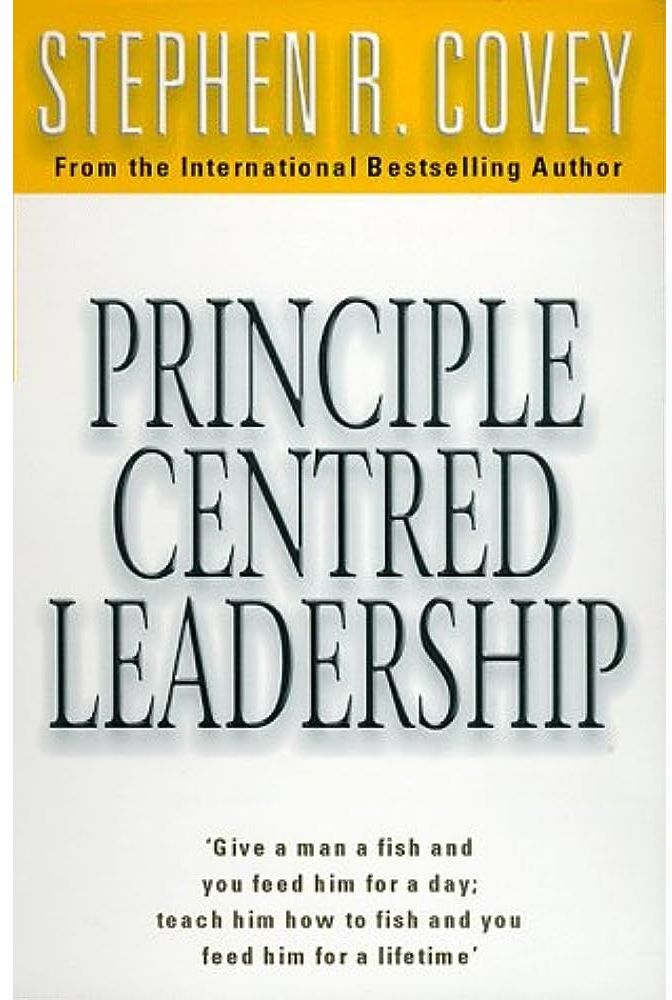
Simon & Schuster Principle Centred Leadership by Stephen R CoveyPRINCIPLE CENTRED LEADERSHIP will help solve these dilemmas - and many others:* how do we achieve a wise and renewing balance between work and family in the midst of constant pressures and crises?* how do we unleash the creativity, talent and energy of the vast majority of the work force, whose jobs neither require nor reward such resources?* how can we have a culture characterised by change, flexibility and continuous improvement and still maintain a sense of stability and security?* how do we create team spirit and harmony among people and departments that have been criticising and attacking each other for years?* how do we get people and culture aligned with strategy, so that everyone in an organisation is as committed to the strategy as those who formulated it?6,99 £*Shipping: 2,99 £Secure redirect to the provider
-
John Murray The 80/20 Principle : The Secret of Achieving More with Less: by Richard KochREAD THIS BOOK AND USE IT - TIM FERRISS Twenty years after its first publication, The 80/20 Principle is a global bestseller read by millions of highly effective people around the world. Now, it is more powerful and essential than ever. In the past, the principle gave those who used it a serious advantage.In the future, it will be the essential tool for anyone who wants to succeed. And it is powerful. Based on the counter-intuitive but widespread fact that 80% of results flow from 20% of causes, The 80/20 Principle shows how you can achieve much more with much less effort, time and resources, simply by concentrating on the all-important 20%.This major new edition includes four brand new chapters showing how to: Use the rise of networks to your advantage Benefit from more acute 90/10 and 99/1 forms of the principle Tap into your subconscious to exert a super-potent and amazingly favourable influence on your life Enjoy greater success with 5 mega rules to live by5,95 £*Shipping: 2,99 £Secure redirect to the provider
-
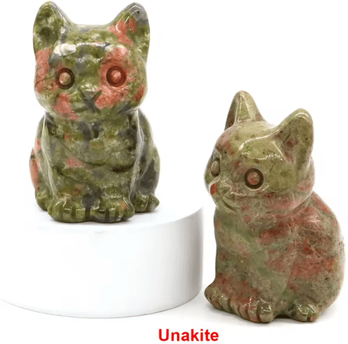
Inspire Picks Hand Carved Amethyst Cat Figurine Crystal Animal Statue For Chakra Healing & Meditation Decor unakite 1pcInvite calm energy and subtle beauty into your space with this enchanting amethyst cat figurine crafted from natural stone. Carefully handcarved, each piece showcases unique crystal patterns that make every figurine one of a kind. Its gentle cat...55,03 $*Shipping: 0,00 $Secure redirect to the provider
-
KitchenCuration Healing Quartz Crystal Water Bottle For Wellness & Energy Balance FluoriteRefresh your daily routine with a beautifully designed crystal water bottle that combines mindful living with elegant style. Crafted for wellness enthusiasts, yoga lovers, and anyone seeking a calming hydration experience, this bottle features a...49,97 $*Shipping: 0,00 $Secure redirect to the provider
-
What is the principle of energy minimum?
The principle of energy minimum states that a system will always tend towards a state of minimum energy. This means that a system will naturally seek out the configuration that requires the least amount of energy to maintain. This principle is often used in physics and chemistry to predict the behavior of systems and understand how they will evolve over time. By minimizing energy, systems can achieve a stable and balanced state. **
-
What is the principle of energy conservation in energy conversion?
The principle of energy conservation in energy conversion states that energy cannot be created or destroyed, but can only be converted from one form to another. This means that the total amount of energy in a closed system remains constant. In the context of energy conversion, this principle ensures that the total amount of energy input into a system is equal to the total amount of energy output, accounting for any losses due to inefficiencies. This principle is fundamental to understanding and designing energy conversion processes, as it helps to ensure that energy is used efficiently and sustainably. **
-
Am I using the conservation of energy principle or the work-energy principle here? Is there friction or not?
In order to determine whether you are using the conservation of energy principle or the work-energy principle, it is important to consider whether the system is conservative or non-conservative. If the system is conservative, then the conservation of energy principle can be used, while if the system is non-conservative, then the work-energy principle is used. Friction is a non-conservative force, so if there is friction present in the system, then the work-energy principle should be used. If there is no friction present, then the conservation of energy principle can be used. **
-
What is redshift, energy loss, and the conservation of energy principle?
Redshift is a phenomenon in which light from an object moving away from an observer appears to be shifted towards longer wavelengths, indicating that the object is moving away from the observer. Energy loss refers to the decrease in the total energy of a system due to various factors such as friction, heat, or radiation. The conservation of energy principle states that energy cannot be created or destroyed, only transferred or transformed from one form to another. This principle is fundamental in understanding the behavior of energy in various physical systems. **
Similar search terms for Principle
-
Uplift Essentials Hand Carved Natural Stone Cat Statue Healing Crystal Amethyst & Mixed Mineral Figurine For Chakra Meditation unakite"Synchronize your sanctuary with the highdefinition, highvibration energy of our HandCarved Natural Stone Cat Statue. Featuring a sophisticated ""mysticalminimalist"" silhouette, this 1.8inch mineral masterpiece is designed to bring a ""calmluxe"" energy..."48,97 $*Shipping: 0,00 $Secure redirect to the provider
-
Inspire Picks Hand Carved Amethyst Cat Figurine Crystal Animal Statue For Chakra Healing & Meditation Decor amethyst 1pcInvite calm energy and subtle beauty into your space with this enchanting amethyst cat figurine crafted from natural stone. Carefully handcarved, each piece showcases unique crystal patterns that make every figurine one of a kind. Its gentle cat...52,22 $*Shipping: 0,00 $Secure redirect to the provider
-
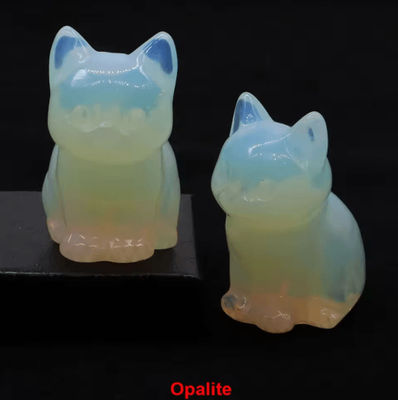
Inspire Picks Hand Carved Amethyst Cat Figurine Crystal Animal Statue For Chakra Healing & Meditation Decor opalite 1pcInvite calm energy and subtle beauty into your space with this enchanting amethyst cat figurine crafted from natural stone. Carefully handcarved, each piece showcases unique crystal patterns that make every figurine one of a kind. Its gentle cat...51,17 $*Shipping: 0,00 $Secure redirect to the provider
-
Inspire Picks Hand Carved Amethyst Cat Figurine Crystal Animal Statue For Chakra Healing & Meditation Decor crazy Agate 1pcInvite calm energy and subtle beauty into your space with this enchanting amethyst cat figurine crafted from natural stone. Carefully handcarved, each piece showcases unique crystal patterns that make every figurine one of a kind. Its gentle cat...51,73 $*Shipping: 0,00 $Secure redirect to the provider
-
What is the economic principle: the principle of minimum or the principle of maximum?
The principle of minimum and the principle of maximum are economic principles that relate to decision-making. The principle of minimum states that individuals or firms will seek to minimize their costs or inputs in order to achieve a certain level of output or outcome. On the other hand, the principle of maximum states that individuals or firms will seek to maximize their benefits or outputs given a certain level of inputs or costs. Both principles are important in guiding economic decision-making and resource allocation. **
-
What is the conservation of energy principle in physics?
The conservation of energy principle in physics states that energy cannot be created or destroyed, only transferred or transformed from one form to another. This means that the total energy in a closed system remains constant over time. This principle is a fundamental law of nature and is used to analyze and predict the behavior of various physical systems. It is a key concept in understanding the interactions and dynamics of energy in the universe. **
-
What is the principle of energy conservation in physics?
The principle of energy conservation in physics states that the total energy of an isolated system remains constant over time. This means that energy cannot be created or destroyed, only transferred or transformed from one form to another. In other words, the total energy of a system before and after any process must be the same. This principle is a fundamental concept in physics and is used to analyze and understand various physical phenomena, such as the motion of objects, the behavior of waves, and the interactions between particles. **
-
How do you calculate the conservation of energy principle?
The conservation of energy principle can be calculated by considering the initial and final energy of a system. The principle states that the total energy of a closed system remains constant over time, so the initial energy of the system should equal the final energy. To calculate this, you would need to consider the different forms of energy present in the system, such as kinetic energy, potential energy, and thermal energy, and account for any energy transfers or transformations that occur. By accounting for all the energy inputs and outputs, you can determine if the principle of conservation of energy holds true for the system. **
* All prices are inclusive of VAT and, if applicable, plus shipping costs. The offer information is based on the details provided by the respective shop and is updated through automated processes. Real-time updates do not occur, so deviations can occur in individual cases. ** Note: Parts of this content were created by AI.