Buy anahata.eu ?
We are moving the project
anahata.eu .
Are you interested in purchasing the domain
anahata.eu ?
domain@kv-gmbh.de · 0541-91531010
Buy anahata.eu ?
What does "den Nagel auf den Kopf treffen" mean?
"Den Nagel auf den Kopf treffen" is a German idiom that translates to "to hit the nail on the head" in English. It is used to describe a situation where someone has made a very accurate or precise statement or observation. It signifies that someone has expressed a thought or idea in a way that perfectly captures the essence of a situation or problem. **
Does it say "von Montag den" or "vom Montag den"?
The correct phrase is "von Montag den." This is because "von" is a preposition meaning "from," and "Montag" is the day of the week. When combined, they form the phrase "von Montag den," meaning "from Monday the." On the other hand, "vom" is a contraction of "von dem," which would not be used in this context. **


Similar search terms for Den
Top-Angebote
Products related to Den:
-
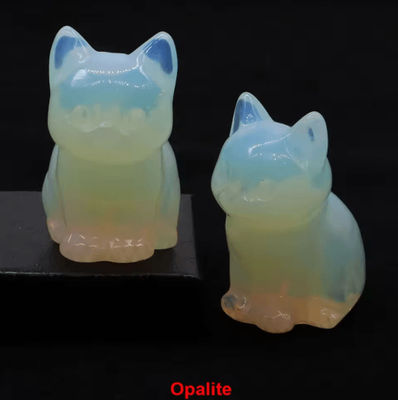
Inspire Picks Hand Carved Amethyst Cat Figurine Crystal Animal Statue For Chakra Healing & Meditation Decor opalite 1pcInvite calm energy and subtle beauty into your space with this enchanting amethyst cat figurine crafted from natural stone. Carefully handcarved, each piece showcases unique crystal patterns that make every figurine one of a kind. Its gentle cat...51,17 $*Shipping: 0,00 $Secure redirect to the provider
-
KitchenCuration Healing Quartz Crystal Water Bottle For Wellness & Energy Balance FluoriteRefresh your daily routine with a beautifully designed crystal water bottle that combines mindful living with elegant style. Crafted for wellness enthusiasts, yoga lovers, and anyone seeking a calming hydration experience, this bottle features a...49,97 $*Shipping: 0,00 $Secure redirect to the provider


-
What is the correct wording: "Den Lebensmittelpunkt verlegen" or "Den Lebensmittelpunkt verlagern"?
Both "Den Lebensmittelpunkt verlegen" and "Den Lebensmittelpunkt verlagern" are correct wordings in German. However, there is a slight difference in meaning between the two. "Verlegen" implies moving the center of life to a new location, while "verlagern" suggests shifting the center of life to a different area without specifying a new location. **
-
What is the meaning of the expression "den Wind aus den Segeln nehmen"?
The expression "den Wind aus den Segeln nehmen" is a German idiom that translates to "to take the wind out of someone's sails" in English. It means to undermine someone's confidence or momentum, to thwart their plans or efforts, or to deflate their enthusiasm. Essentially, it refers to the act of diminishing someone's advantage or power. **
-
Where does the expression "Das geht den Menschen wie den Leuten" originate from?
The expression "Das geht den Menschen wie den Leuten" originates from the German language and is a common saying used to convey that something applies to everyone in the same way. It is often used to emphasize that a situation or experience is universal and affects people equally. The origin of the expression is not definitively known, but it has been used in German language and literature for many years. **
-
Is it "Ich habe den Fernseher eingeschaltet" or "Ich habe den Fernseher eingeschalten"?
The correct phrase is "Ich habe den Fernseher eingeschaltet." The verb "einschalten" is a separable verb, and in the perfect tense, the prefix "ein" is separated from the main verb "schalten" and placed at the end of the sentence. Therefore, the correct past participle form is "eingeschaltet." **

What does "auf den" mean?
"Auf den" is a German prepositional phrase that translates to "on the" in English. It is used to indicate location or direction towards something. For example, "auf den Tisch" means "on the table" and "auf den Boden" means "on the floor." **
Does it say 'Gebt euch den neuen Song' or 'Gibt euch den neuen Song'?
The correct phrase is "Gebt euch den neuen Song." The verb "geben" conjugated for the imperative form in the second person plural is "gebt." This means "Give yourselves the new song." **
Top-Angebote
Products related to Den:
-
Porch & Den Inez Energy-efficient Sidelight Curtain Panel, Single PanelKeep your entryway private with this stylish sidelight curtain panel. Constructed from polyester, this panel is energy-efficient and machine-washable for convenient cleaning. Choose from six neutral color options to pair with your decor.27,48 $*Shipping: 0,00 $Secure redirect to the provider
-
Inspire Picks Hand Carved Amethyst Cat Figurine Crystal Animal Statue For Chakra Healing & Meditation Decor opalite 1pcInvite calm energy and subtle beauty into your space with this enchanting amethyst cat figurine crafted from natural stone. Carefully handcarved, each piece showcases unique crystal patterns that make every figurine one of a kind. Its gentle cat...51,17 $*Shipping: 0,00 $Secure redirect to the provider
-
KitchenCuration Healing Quartz Crystal Water Bottle For Wellness & Energy Balance FluoriteRefresh your daily routine with a beautifully designed crystal water bottle that combines mindful living with elegant style. Crafted for wellness enthusiasts, yoga lovers, and anyone seeking a calming hydration experience, this bottle features a...49,97 $*Shipping: 0,00 $Secure redirect to the provider
-
What does "den Nagel auf den Kopf treffen" mean?
"Den Nagel auf den Kopf treffen" is a German idiom that translates to "to hit the nail on the head" in English. It is used to describe a situation where someone has made a very accurate or precise statement or observation. It signifies that someone has expressed a thought or idea in a way that perfectly captures the essence of a situation or problem. **
-
Does it say "von Montag den" or "vom Montag den"?
The correct phrase is "von Montag den." This is because "von" is a preposition meaning "from," and "Montag" is the day of the week. When combined, they form the phrase "von Montag den," meaning "from Monday the." On the other hand, "vom" is a contraction of "von dem," which would not be used in this context. **
-
What is the correct wording: "Den Lebensmittelpunkt verlegen" or "Den Lebensmittelpunkt verlagern"?
Both "Den Lebensmittelpunkt verlegen" and "Den Lebensmittelpunkt verlagern" are correct wordings in German. However, there is a slight difference in meaning between the two. "Verlegen" implies moving the center of life to a new location, while "verlagern" suggests shifting the center of life to a different area without specifying a new location. **
-
What is the meaning of the expression "den Wind aus den Segeln nehmen"?
The expression "den Wind aus den Segeln nehmen" is a German idiom that translates to "to take the wind out of someone's sails" in English. It means to undermine someone's confidence or momentum, to thwart their plans or efforts, or to deflate their enthusiasm. Essentially, it refers to the act of diminishing someone's advantage or power. **
Similar search terms for Den
-
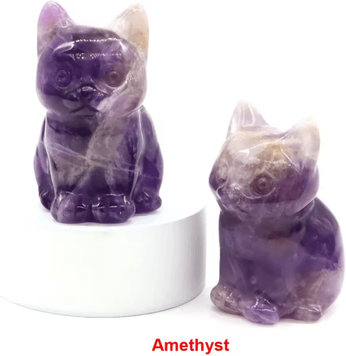
Inspire Picks Hand Carved Amethyst Cat Figurine Crystal Animal Statue For Chakra Healing & Meditation Decor amethyst 1pcInvite calm energy and subtle beauty into your space with this enchanting amethyst cat figurine crafted from natural stone. Carefully handcarved, each piece showcases unique crystal patterns that make every figurine one of a kind. Its gentle cat...52,22 $*Shipping: 0,00 $Secure redirect to the provider
-
Where does the expression "Das geht den Menschen wie den Leuten" originate from?
The expression "Das geht den Menschen wie den Leuten" originates from the German language and is a common saying used to convey that something applies to everyone in the same way. It is often used to emphasize that a situation or experience is universal and affects people equally. The origin of the expression is not definitively known, but it has been used in German language and literature for many years. **
-
Is it "Ich habe den Fernseher eingeschaltet" or "Ich habe den Fernseher eingeschalten"?
The correct phrase is "Ich habe den Fernseher eingeschaltet." The verb "einschalten" is a separable verb, and in the perfect tense, the prefix "ein" is separated from the main verb "schalten" and placed at the end of the sentence. Therefore, the correct past participle form is "eingeschaltet." **
-
What does "auf den" mean?
"Auf den" is a German prepositional phrase that translates to "on the" in English. It is used to indicate location or direction towards something. For example, "auf den Tisch" means "on the table" and "auf den Boden" means "on the floor." **
-
Does it say 'Gebt euch den neuen Song' or 'Gibt euch den neuen Song'?
The correct phrase is "Gebt euch den neuen Song." The verb "geben" conjugated for the imperative form in the second person plural is "gebt." This means "Give yourselves the new song." **
* All prices are inclusive of VAT and, if applicable, plus shipping costs. The offer information is based on the details provided by the respective shop and is updated through automated processes. Real-time updates do not occur, so deviations can occur in individual cases. ** Note: Parts of this content were created by AI.